By Custom Design Carpentry– Renovation & Remodelling
Making your home more energy efficient isn’t just about saving money on your electric bill anymore. It’s about building a home that’s smarter, healthier, and better for the planet. With energy prices climbing and more homeowners becoming eco-conscious, energy efficient renovations are quickly becoming the new standard.
Whether you’re remodeling a single room or planning a whole-home update, keeping energy efficiency in mind can help you create a space that’s comfortable, cost-effective, and future-ready. Let’s break down what this means in simple terms and how you can get started.
Why Energy Efficiency Is a Big Deal
Let’s start with the obvious: a more energy efficient home means lower utility bills. When your home uses less electricity, gas, or water, you’ll see those savings stack up month after month. And over time, those savings can help pay for the upgrades themselves.
But it’s not just about money. Energy-efficient improvements also make your home more comfortable to live in. You’ll enjoy better temperature control, cleaner air, and fewer drafts. And if you ever decide to sell, buyers love a home that’s already been upgraded especially when it helps them save on their own bills.
In short, energy-efficient renovations help you live better today while preparing your home for tomorrow.
Start with Insulation. It’s a Game Changer
One of the smartest places to begin is insulation. It keeps your home warm in the winter and cool in the summer, so your heating and cooling system doesn’t have to work as hard. That means lower energy use and better comfort.
Most homes lose the most heat through the attic, so start there. Adding more insulation or replacing old material with something modern like spray foam or blown-in cellulose—can make a big difference. Next, check the walls, basement ceilings, and floors above crawl spaces. Sealing gaps around windows, doors, and pipes with caulk or weather stripping helps too.
These may not be the flashiest updates, but they’re some of the most effective.
Upgrade Your Windows and Doors
If your windows are old and drafty, you’re probably losing a lot of heat (or cool air). Swapping them out for energy efficient versions can really improve your home’s performance.
Look for ENERGY STAR-rated windows with double or triple panes, special coatings to block UV rays, and gas fills that help keep temperatures steady. Doors matter too. New models with solid insulation and tight seals can prevent air from sneaking in or out.
Not only will these upgrades save energy, they’ll also cut down on outside noise and boost your home’s curb appeal.
Make Your HVAC System Work Smarter
Heating and cooling take up a big chunk of your home’s energy use. If your system is older, it might be time for an upgrade. New high-efficiency furnaces, AC units, and heat pumps use less energy and do a better job keeping your home comfortable.
Today’s systems can even adjust their output depending on your needs, which helps avoid wasted energy. Pair your new system with a smart thermostat and you can control your home’s temperature from your phone or let it adjust automatically based on your schedule.
Routine maintenance and choosing the right system size are also key to making sure everything runs smoothly and efficiently.
Switch to Energy-Efficient Lighting and Appliances
One of the easiest ways to save energy is by replacing old light bulbs with LEDs. They use way less energy, last longer, and don’t give off as much heat. It’s a simple switch that pays off fast.
When it comes to appliances, look for the ENERGY STAR label. Whether it’s your fridge, dishwasher, washer, dryer, or water heater, energy-efficient models use less power and water without sacrificing performance. Many also have smart features so you can track usage and control them remotely.
These changes may seem small, but they add up, especially when you’re replacing older models that run all day.
Go Big with Renewable Energy
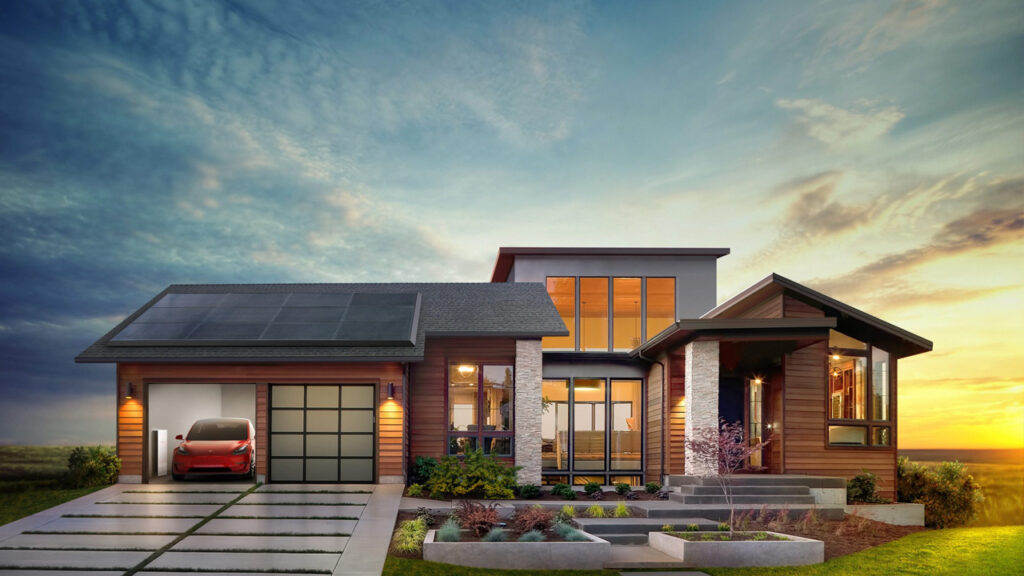
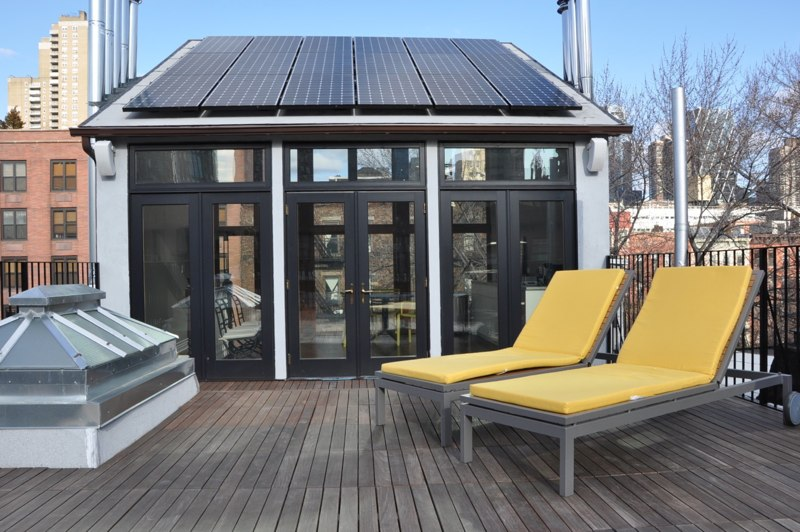
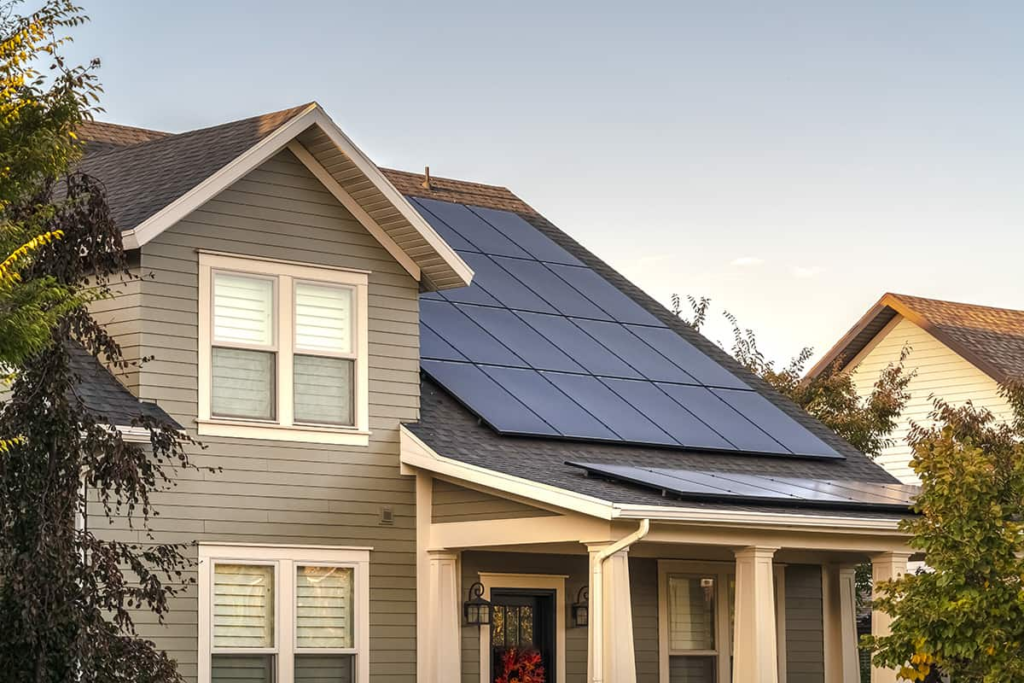
If you really want to take things to the next level, consider adding solar panels or even a geothermal heating system. These systems can reduce or even eliminate—your utility bills, depending on your home and how much energy you use.
Yes, the upfront cost can be higher, but there are often rebates and tax credits that help with installation. Plus, in some areas, you can sell extra energy back to the grid. Over time, these systems tend to pay for themselves and offer real long-term savings.
And let’s be honest—there’s something pretty cool about powering your home with the sun.
Choose Sustainable Materials That Last
Energy efficiency isn’t just about your systems, it’s also about what your home is made of. Choosing eco-friendly materials helps reduce the overall energy used in manufacturing and transportation.
Materials like bamboo flooring, recycled glass countertops, reclaimed wood, and low-VOC paints look great, last a long time, and are healthier for your indoor air. Plus, using durable materials that don’t need to be replaced often helps cut down on waste and saves you money over time.
Don’t Miss Out on Incentives and Rebates
Here’s something a lot of people don’t realize—there’s money on the table for energy-efficient upgrades. Governments, utility companies, and even local programs often offer tax credits, rebates, or low-interest loans to make these renovations more affordable.
The Inflation Reduction Act, for example, expanded federal tax credits for things like energy-efficient windows, doors, HVAC systems, and solar installations. Be sure to check with your local utility company or city for programs that might apply to you. These perks can really help stretch your renovation budget.
FAQs About Energy-Efficient Renovations
Q1: What’s the most cost-effective upgrade for saving energy?
Upgrading your insulation, especially in the attic—usually gives you the best bang for your buck. It helps your home stay warmer in the winter and cooler in the summer, cutting down on energy use year-round.
Q2: How much can I really save with energy-efficient appliances?
It varies, but most ENERGY STAR appliances use 10–50% less energy than older models. That adds up over time, especially when you replace several appliances at once.
Q3: Do these upgrades really boost my home’s value?
Yes, they do. Homes with energy-efficient features often sell faster and for more money. Buyers appreciate lower energy bills and knowing the home has been updated.
Q4: Are there any downsides to energy-efficient renovations?
The biggest hurdle is usually the upfront cost. But with incentives, rebates, and long-term savings, most homeowners find that the investment pays off within a few years.
Final Thoughts
Making your home more energy efficient is one of the smartest renovations you can do. It saves you money, improves your comfort, and helps the environment—all while boosting your property’s value. Whether you’re planning a few small upgrades or a full home makeover, energy efficiency should be at the heart of your project.
At Custom Design Carpentry Inc., we specialize in energy-smart renovations that are just as beautiful as they are practical. From design to installation, we’ll help you choose the right improvements for your home, your budget, and your future.
Ready to build a more efficient, comfortable home? Reach out today for a consultation. We’d love to help you bring your vision to life.
Author’s website- Custom Design Carpentry
Phone- (973) 980 6085